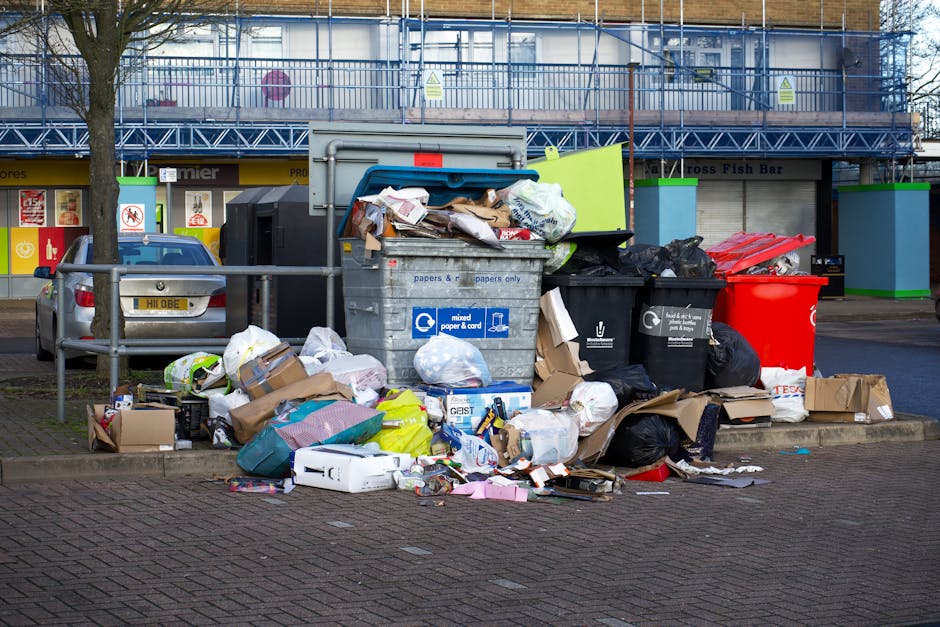
Avoid hidden rubbish removal charges in West Ham
If you've ever booked rubbish removal and then watched the price creep up on the day, you'll know how frustrating it feels. What started as a simple clear-out can suddenly turn into a debate about weight, access, labour, or "unexpected" extras. That is exactly why learning how to avoid hidden rubbish removal charges in West Ham matters. It helps you compare quotes properly, ask the right questions, and keep control of the final bill without the stress.
In West Ham, where homes, flats, shops, and workplaces can vary a lot in access and waste type, pricing should be clear from the start. This guide walks you through the real-world ways hidden charges appear, how reputable operators usually price a job, and what you can do to protect yourself before anything is booked. Let's face it, nobody enjoys paying more than they expected. Not when the bin bags are already by the door.
Table of Contents
- Why it matters
- How rubbish removal pricing works
- Key benefits and practical advantages
- Who this is for and when it makes sense
- Step-by-step guidance
- Expert tips for better results
- Common mistakes to avoid
- Tools, resources and recommendations
- Law, compliance, standards, and best practice
- Options, methods, and comparison
- Case study or real-world example
- Practical checklist
- Conclusion
- Frequently asked questions
Why Avoid hidden rubbish removal charges in West Ham Matters
Hidden charges are not just an irritation. They can change the whole value of a rubbish removal service. A quote that looked competitive on your screen can become expensive once the team arrives and starts adding on costs for stair carries, heavy items, time-on-site, congestion, parking, or unlisted waste types. That is a nasty surprise, especially if you are clearing a property on a deadline.
West Ham has its own practical wrinkles too. Some properties have tight stairwells, controlled parking, or limited loading space. Some jobs involve mixed waste from a loft, shed, or office. Others include bulky items such as sofas, fridges, or builders' waste. If those details are not discussed early, the price can shift. Sometimes fairly, sometimes not. The difference is transparency.
A clear quote gives you something valuable: control. You can decide whether the service matches your budget, your timeline, and your expectations. You can also compare one provider against another on a like-for-like basis, which is the only sensible way to do it. Otherwise you are comparing apples with bins full of old chipboard and broken chairs.
Expert summary: The best way to avoid hidden rubbish removal charges in West Ham is to describe the job fully, ask what is included, confirm how pricing changes if the load changes, and get the quote in writing before collection day.
How Avoid hidden rubbish removal charges in West Ham Works
At its simplest, good rubbish removal pricing should be based on clear inputs. The company estimates the work from the waste type, amount, access, loading time, and disposal requirements. If anything changes materially, the quote should be adjusted before the job starts, not after the van is full. That sounds obvious, but in practice it is where many disputes begin.
A trustworthy provider will usually ask questions such as:
- What type of waste do you have?
- How much is there, roughly?
- Is it mixed waste, bulky waste, or specialist waste?
- Are there stairs, narrow hallways, or no parking nearby?
- Will the team need extra labour to move items from different rooms?
Those questions are not nosy. They are how a proper estimate is built. The more precise your answers, the less room there is for a surprise later. In our experience, a five-minute conversation up front can save a much longer conversation beside the front gate with everyone looking slightly annoyed.
Some companies price by load volume, some by item, and some by job complexity. That is why the quote wording matters. If it says "from" a certain amount, ask what conditions apply to the base rate. If it says "subject to inspection," ask what inspection means and whether the estimate can change on arrival. Small details like these make a big difference when you are trying to keep the final bill under control.
For broader domestic and commercial clear-outs, it can also help to look at related services such as waste removal, house clearance, or office clearance so you are matching the job to the right type of service, not just the first headline price you see.
Key Benefits and Practical Advantages
Keeping rubbish removal pricing transparent has benefits beyond saving money. You get a smoother collection day, less back-and-forth, and a much better sense of whether you are dealing with a professional outfit or a vague one that hopes you won't notice the extras until it is too late.
- Budget certainty: You know what you are likely to pay before anyone lifts a bag.
- Better comparison: You can compare providers on equal terms, not guesswork.
- Fewer disputes: Clear expectations reduce awkward conversations on collection day.
- Faster service: Teams can get on with the job when access and waste type are already understood.
- Better planning: You can prepare the space, move items, and avoid delays.
There is another practical advantage people often miss: transparency usually signals stronger operation standards overall. Companies that are open about pricing are often also clearer about insurance, loading process, waste handling, and recycling. Not always, of course, but often enough to matter.
If you are disposing of larger household items, it may help to review specific services like furniture disposal or fridge and appliance removal. Item-specific services can make pricing easier to understand because the likely handling requirements are more obvious from the outset.
Who This Is For and When It Makes Sense
This approach is useful for almost anyone booking waste collection in West Ham, but it is especially important if your job is not a simple one-bin-load collection. The more variables involved, the more important the quote becomes.
You will benefit most if you are:
- clearing out a flat, house, loft, or garage
- moving out and need a quick turnaround
- disposing of bulky furniture or appliances
- handling garden waste after a big tidy-up
- dealing with builders' or renovation waste
- booking for an office, shop, or shared building
- trying to keep costs predictable for a landlord or tenant handover
It also makes sense when the job includes mixed waste. For example, a few cardboard boxes, a broken wardrobe, a mattress, and some paint tins are not all treated the same way. Mixed loads can trigger extra disposal handling, so the quote should make that clear.
For a straightforward home tidy, a smaller collection may be fine. But once you are into heavier or more awkward waste, you really want a written breakdown. Truth be told, that is where the money leak starts most often.
Step-by-Step Guidance
1. List everything that needs removing
Walk through the space slowly and note what is going. Do not rely on memory. People often forget the bits tucked behind the door, in the airing cupboard, or under the stairs. A quick phone photo set can help a lot, especially for larger items or mixed waste piles.
2. Separate standard waste from specialist items
Keep an eye out for items that may need special handling, such as fridges, freezers, electronics, paint, chemicals, or anything sharp or contaminated. These items can affect pricing and disposal method. If in doubt, ask before collection day.
3. Check access and loading conditions
Is the waste on the ground floor or up several flights? Is there parking close by? Can a van stop nearby, or will the crew need to carry items a long way? Access issues are a common reason for price changes, so be upfront about them.
4. Ask for the full price structure
Do not just ask "how much?" Ask what the price includes. Does it cover labour, loading, transport, disposal, and VAT if applicable? Are there extra charges for stairs, waiting time, or extra volume? If the answer feels slippery, that is a sign.
5. Get confirmation in writing
An email or booking confirmation is better than a vague phone promise. It should ideally spell out the waste type, date, estimated price, and any conditions that could change the cost. This is a simple habit, but it saves a lot of headaches.
6. Prepare the site before the team arrives
Move clearly reusable items aside if they are not part of the collection. Unlock gates, clear a path, and make sure the waste is easy to identify. A tidy setup can reduce delays. It can also make the team's job safer and quicker, which everyone appreciates by 9am on a damp London morning.
7. Confirm any price change before work starts
If the team discovers a bigger load or more complicated access than expected, ask them to explain the difference before they begin. A proper provider should be able to show why the price changed. You should never feel cornered after the van is half full.
Expert Tips for Better Results
Here are the small things that make a surprisingly big difference.
- Photograph everything: Photos reduce misunderstanding and help the provider judge volume more accurately.
- Mention awkward access early: Narrow stairs, basement rooms, and long carries matter.
- Ask about loading responsibility: Some services include full lifting, others expect some prep.
- Check the waste type carefully: Garden waste, builders' waste, and household junk are not always priced the same.
- Keep an eye on minimum charges: A tiny job can still have a base fee.
- Book the right category of service: A general rubbish removal job may not suit a specialised clearance.
If the job is being done for a business, ask for a service that fits the site. Business waste removal can be a better fit than a generic domestic arrangement, especially when timing, access, or confidentiality matters.
One practical tip many people overlook: ask what happens if the waste is less than expected too. If the price is based on volume, you want to know whether you would actually benefit from the smaller load or whether the minimum charge still applies. Fair enough, businesses have overheads. But the answer should still be clear.
Common Mistakes to Avoid
Hidden charges often come from simple mistakes rather than anything dramatic. The good news is that most of them are avoidable.
- Giving a vague description: "A bit of rubbish" is not enough. Mixed waste needs detail.
- Forgetting bulky items: Sofas, wardrobes, mattresses, and appliances can alter pricing.
- Assuming access does not matter: It really does. A lot.
- Not asking about extras: Waiting fees, staircase labour, and disposal surcharges should be checked.
- Choosing only by headline price: The lowest quote is not always the cheapest final bill.
- Skipping written confirmation: Verbal quotes can get messy fast.
- Mixing specialist waste with general waste without saying so: That is a classic source of surprise charges.
There is also the "I'll sort it on the day" approach, which sounds convenient until everyone is standing in the hallway trying to work out what counts as extra. Better to spend ten minutes now than an hour later. Honestly, that hour feels longer.
Tools, Resources and Recommendations
You do not need complicated tools to manage pricing well. A few simple things help a lot:
- Phone camera: take clear photos of the waste pile, access route, and any awkward items.
- Notes app: list item types, approximate quantities, and any special concerns.
- Tape measure: useful for large furniture or tight doorways.
- Calendar reminder: helps you prepare the property before collection.
- Email trail: keep the quote, booking details, and any changes in one place.
When comparing services, it may also help to look at supporting pages such as pricing and quotes, book online, and insurance and safety. These are useful for understanding how a company presents its process, not just its headline price.
If you are clearing a garden or outdoor storage area, related services like garden clearance or garage clearance may be more suitable than a broad, catch-all quote. Matching the service to the job usually gives you a cleaner price.
Law, Compliance, Standards, and Best Practice
Rubbish removal is not just about pricing. There is also a responsibility to handle waste properly. In the UK, businesses dealing with waste should operate in line with relevant waste handling duties and local rules, and customers should be cautious about who they hand waste to. If a provider is vague about disposal, insurance, or how waste is processed, treat that as a red flag.
Good practice usually includes:
- clear identification of the waste being collected
- safe loading and transport methods
- appropriate disposal or recycling routes
- transparent pricing before work starts
- reasonable care around hazardous or specialist materials
If the load includes items such as chemicals, asbestos-related materials, clinical waste, or other hazardous waste, you should not assume a standard collection will cover it. Ask directly. For some jobs, a specialist route is required, and the price should reflect that properly rather than being hidden in vague wording.
You should also expect straightforward terms around payment security and complaints handling. Pages such as payment and security and complaints procedure can tell you how seriously a company takes customer confidence. That is not glamorous, but it matters more than people think.
For businesses handling confidential materials, confidential shredding is the kind of service that should be discussed separately, not just bundled into a general waste job. Different waste, different handling, different risk.
Options, Methods, and Comparison Table
There are a few common ways rubbish removal is priced or delivered. The right option depends on volume, waste type, and how quickly you need it gone.
| Option | Best for | Potential pricing risk | When it works well |
|---|---|---|---|
| Flat quoted collection | Known waste volume and access | Low, if the description is accurate | Clear-outs with good photos and simple access |
| From-price estimate | Jobs that may vary on arrival | Medium, if conditions change | When the provider explains exactly what affects the cost |
| Item-based removal | Single bulky items | Low to medium | Furniture, appliances, or a small number of large items |
| Full clearance service | Large domestic or office clearances | Medium, if inventory is incomplete | Lofts, houses, offices, or hoarder-style clear-outs |
The main takeaway is simple: the more detail you provide, the less risk there is of a quote changing later. For small one-off items, an item-based service may be cleaner. For bigger, messier jobs, a full clearance can be more efficient, provided the inventory is honest and complete.
If you are clearing inherited items, end-of-tenancy clutter, or a packed family home, services like home clearance, flat clearance, or loft clearance can be more appropriate than asking for a generic "rubbish pick-up" and hoping for the best.
Case Study or Real-World Example
A landlord in West Ham needed a one-bedroom flat cleared after a tenant moved out. At first glance, it looked straightforward: a mattress, some bags, a broken wardrobe, and a few kitchen items. But once the photos were reviewed properly, there were also boxes in the loft cupboard, a bulky desk, and an old fridge tucked in a utility corner.
The first instinct might have been to book the cheapest headline price. Instead, the landlord sent photos, listed each item, and mentioned that the building had narrow stairs and limited parking. The quote was revised slightly before booking, but crucially it stayed fixed after that. On the day, there were no awkward surprises, no last-minute "access fee," and no argument about the fridge.
That is a pretty ordinary example, which is exactly why it matters. Most hidden charges are not mysterious. They are the result of missing information at the quote stage. When the details are honest and complete, the final price usually feels much fairer.
Another small but important point: the job was booked for early morning, before the street got busy. That saved time. Not a huge thing, but you'll notice it when a van can stop where it needs to.
Practical Checklist
Use this before you confirm any rubbish removal booking in West Ham:
- Have I listed every item or waste type that needs removing?
- Have I shared photos or a clear description?
- Have I mentioned stairs, parking, narrow access, or long carries?
- Do I know whether the price includes labour, loading, transport, and disposal?
- Have I asked about extra charges for bulky, heavy, or specialist waste?
- Do I have the quote in writing?
- Have I checked whether the service is right for domestic or business waste?
- Do I know what happens if the load is bigger or smaller than expected?
- Have I asked about payment terms and any minimum charge?
- Have I kept a copy of all messages and confirmations?
Tick those off and you are already ahead of the game. Nothing flashy. Just sensible, calm preparation.
Conclusion
Avoiding hidden rubbish removal charges in West Ham comes down to clarity, not luck. The best results usually come from clear photos, honest descriptions, sensible questions, and written confirmation before the team turns up. That is true whether you are clearing a flat, emptying a garage, or dealing with office waste after a busy move.
When you understand how pricing works, you can spot vague quotes, compare providers fairly, and avoid the little surprises that turn a simple job into an expensive one. And really, that is what most people want: a fair price, a tidy result, and no drama on the pavement. Perfectly reasonable, if you ask me.
Get a free quote today and see how much you can save.
Choose carefully, ask once or twice more than feels necessary, and keep the paperwork. It makes the whole thing lighter somehow.
Frequently Asked Questions
How do I avoid hidden rubbish removal charges in West Ham?
Give a full description of the waste, share photos, mention access issues, and ask for a written quote that states what is included and what may cost extra.
What extra charges should I ask about before booking?
Ask about labour, stairs, long carries, parking, waiting time, bulky items, mixed waste, specialist waste, and any minimum charge. Those are the usual places where costs change.
Is a cheap quote always a bad sign?
Not always, but a very low quote with vague wording can be risky. If the provider cannot explain how the price is built, it may rise later.
Do photos really help with pricing?
Yes. Photos help the provider judge volume, item type, and access conditions. They are one of the easiest ways to reduce surprises.
What if the team arrives and says the job is bigger than expected?
Ask them to explain why before work begins. A proper company should be able to point to the difference in waste volume, item type, or access.
Can I get a fixed price for rubbish removal?
Sometimes, yes. Fixed prices are easiest when the waste is clearly described and access is straightforward. For larger jobs, pricing may still be based on a detailed estimate.
Does access to my property affect the price?
It often does. Narrow stairs, no parking, long walks from the van, or upper-floor collections can all affect labour time and cost.
What is the safest way to compare rubbish removal quotes?
Compare like for like. Make sure each quote covers the same waste type, the same amount of rubbish, and similar access conditions. Otherwise the comparison is not very useful.
Should I book a general rubbish removal service or a specialist one?
Choose the service that matches the waste. Furniture, appliances, garden waste, builders' rubble, and office waste can all have different handling needs.
Are written quotes better than phone quotes?
Absolutely. Written quotes create a clear record of what was agreed and make it much easier to avoid disputes later.
What should I do if a charge was added unexpectedly?
Ask for a clear explanation and refer back to the written quote or booking message. If the change was not agreed in advance, raise it straight away.
Can bulky items cause hidden charges?
Yes, bulky items can affect labour and disposal costs. Sofas, wardrobes, fridges, and mattresses should always be declared upfront so the quote is accurate.
Does rubbish removal for businesses work differently?
Often it does. Business waste may need different timing, access, documentation, or disposal handling. It is best to book a service designed for commercial waste.
What is the simplest way to stay in control of the final bill?
Be specific, be honest, and get everything confirmed in writing. That is the simplest route, and usually the best one too.