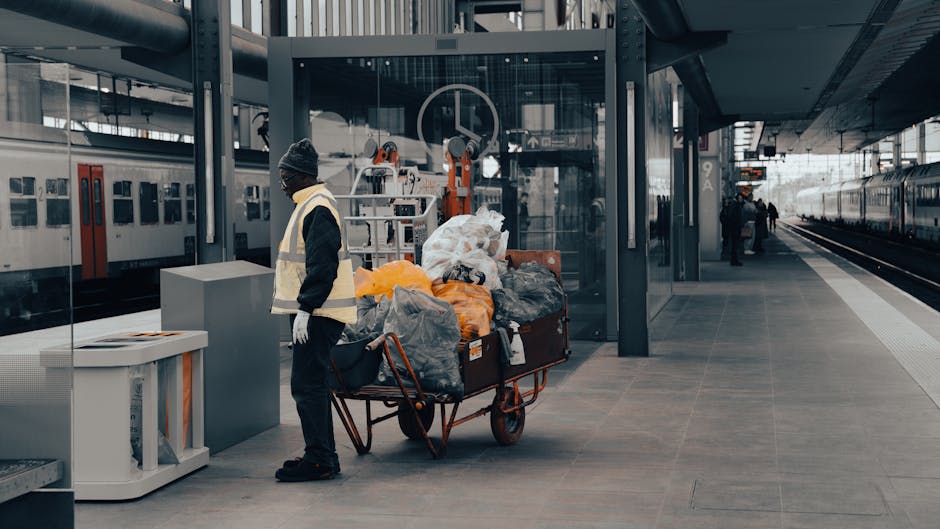
Rubbish removal near West Ham station what to expect
If you are looking into rubbish removal near West Ham station, you probably want one simple thing: a tidy, stress-free clear-out without the usual chaos. Fair enough. Whether it is a flat that has built up bags in the hallway, a few broken bits of furniture, or a more awkward load after decorating, the process should feel straightforward once you know what to expect.
That is what this guide is for. We will walk through how rubbish removal near West Ham station what to expect usually works, what affects timing and price, what good service looks like, and the small practical details that people often miss until the van is already outside. A bit of preparation goes a long way, honestly. And around West Ham, where access can be tight and time matters, that preparation can save you a proper headache.
To keep things practical, we will also cover compliance, common mistakes, and a real-world style example so you can judge whether a collection fits your situation. If you need to compare services later, you can also look at the broader waste removal service, or check the site's pricing and quotes information before you book.
Table of Contents
- Why rubbish removal near West Ham station matters
- How the process works
- Key benefits and practical advantages
- Who this is for and when it makes sense
- Step-by-step guidance
- Expert tips for better results
- Common mistakes to avoid
- Tools, resources and recommendations
- Law, compliance, standards and best practice
- Options, methods and comparison
- Case study or real-world example
- Practical checklist
- Conclusion
- Frequently asked questions
Why rubbish removal near West Ham station what to expect Matters
West Ham station sits in a busy part of east London, with constant movement, mixed residential streets, commercial spaces, and the usual parking pressure that comes with a well-connected area. That matters because rubbish removal is never just about lifting waste. It is also about access, timing, where the vehicle can stop, and how quickly items can be moved without disrupting neighbours or traffic.
For a lot of people, the biggest surprise is that waste clearance is not all the same. A tiny bag job, a half-empty loft, and a bulky furniture clearance may all need a slightly different approach. If you know what is likely to happen before the team arrives, you can avoid awkward delays and unnecessary extra cost.
There is also the trust side of it. You want to know that items are handled responsibly, that the provider is clear about what they can and cannot take, and that there are no hidden assumptions. That is why it helps to choose a company that explains its process openly, including insurance and safety and recycling and sustainability. In this kind of service, clarity is not a bonus. It is the whole point.
Expert summary: the best rubbish removal experience near West Ham station is usually the one that feels calm, organised, and clear from the start. If the provider explains access, loading, sorting, and pricing before the van turns up, you are already in good shape.
How rubbish removal near West Ham station what to expect Works
Most rubbish removal jobs follow a similar pattern, even if the details vary. First comes the enquiry or booking. Then there is usually a brief discussion about the type and amount of waste, the location, and any access issues. After that, a team arrives, confirms the load, carries the items out, and disposes of them appropriately.
That sounds simple, and most of the time it is. But the practical reality can be a little more textured. Flats above shops, basement storage, narrow stairwells, lift restrictions, and resident-only parking can all affect how a collection runs. Near West Ham station, that is not unusual at all. You may notice crews moving quickly but carefully, especially if they are trying to avoid blocking a communal entrance or keeping noise down.
Many people book rubbish removal because they do not want to hire a skip, keep a pile of waste outside, or deal with sorting everything themselves. If that is you, services such as home clearance or flat clearance can be a better fit than a static container, especially where space is limited.
What usually happens on the day
- The team confirms access and checks the items to be removed.
- They give a final price or confirm the agreed quote, depending on how the service is priced.
- Items are lifted and loaded, usually with care to avoid damage.
- Loose debris may be swept up, though you should always confirm the level of tidy-up included.
- Waste is taken away for sorting, reuse, recycling, or disposal as appropriate.
One small but important point: if you have a mix of waste types, say old carpet, a broken wardrobe, and a few bags of general rubbish, mention that up front. A good team can then plan the load properly instead of playing guesswork on the pavement, which nobody enjoys.
Key Benefits and Practical Advantages
The most obvious benefit is convenience. You do not have to hire a van, carry heavy items down stairs, or figure out where to take everything. But the real value is usually bigger than that.
Here is what people tend to appreciate most:
- Speed: rubbish can often be cleared far more quickly than DIY disposal.
- Less physical strain: no dragging awkward furniture through narrow hallways.
- Better for access-heavy locations: useful near stations, estates, and compact streets.
- Cleaner finish: the area can be left ready for decorating, moving, or letting.
- Flexible volumes: works for a few items or a larger mixed load.
There is also the mental relief, which people sometimes underestimate. A pile of waste in a corner of the room can sit there for weeks making the place feel unfinished. Once it is gone, the room feels bigger immediately. A bit brighter too, weirdly.
If you are clearing out business premises or handling mixed commercial waste, it may be worth comparing with the site's business waste removal option. Office clearances and home jobs are similar in spirit, but the handling details can differ quite a lot.
Who This Is For and When It Makes Sense
Rubbish removal near West Ham station suits a lot of different people, not just someone who has had a sort-out weekend. Truth be told, it is often the quickest solution when life has got in the way a bit.
- Tenants moving out who need a flat cleared quickly.
- Landlords and agents dealing with left-behind items.
- Homeowners after renovations, redecorating, or a garage clear-out.
- Small businesses needing old stock, fixtures, or office clutter removed.
- Families downsizing and trying to make decisions without standing in a room full of stuff for half a day.
It also makes sense if you have items that are simply awkward. A mattress, a worn sofa, a broken fridge, or a heavy cabinet can be a chore to move safely. In those cases, specialist services like mattress and sofa disposal or fridge and appliance removal can save a lot of hassle.
Not every job needs a full service collection, of course. If you are only clearing a garden corner or an old shed load, then a more specific option such as garden clearance or garage clearance may feel more sensible.
Step-by-Step Guidance
When people ask what to expect, they usually want the sequence. So let's make it plain.
- List what needs to go. Be broad at first, then group items by type: furniture, bags, wood, appliances, mixed rubbish.
- Check access. Think about stairs, lift access, parking, and whether the team can stop nearby.
- Ask about exclusions. Not all waste is treated the same, especially if something is hazardous or unusually heavy.
- Get the quote style clear. Some jobs are priced by load, others by item or volume. Ask how the provider works.
- Prepare the items. Bag loose waste, unplug appliances, and make sure walkways are clear.
- Be ready for arrival. If the team can assess the waste quickly, the job tends to move faster.
- Confirm what happens after collection. Reuse, recycling, disposal, and compliance should be handled properly.
A useful tip: take a quick photo of the waste before booking. It is not about being fussy. It just helps with accuracy and avoids the classic "oh, there was a bit more than I thought" moment. Happens all the time.
If your clearance includes confidential papers, business files, or anything with private information on it, look at confidential shredding as part of the plan rather than treating it as an afterthought.
Expert Tips for Better Results
Small decisions make a big difference with rubbish removal, especially in busier parts of London. These are the things that usually help most.
1) Separate what can be reused
Don't assume everything must go straight to disposal. Chairs, tables, and some storage units may be suitable for reuse or separate handling. Even if you only keep one item back, that can simplify the load and reduce waste.
2) Keep access as open as possible
Clear a path from the waste to the exit. Sounds obvious, yes, but people often forget the side table, the shoes by the door, or the recycling bags in the way. The smoother the route, the safer the job.
3) Be honest about bulk and awkward items
If something is heavier than it looks, or a sofa has to come down a tight stairwell, say so. The team would rather know beforehand than arrive to a very optimistic estimate and a narrow landing.
4) Ask what tidy-up is included
Some services sweep the area afterwards; others just remove the waste. It is worth clarifying so you know whether you need to do a final clean yourself.
5) Match the service to the job
A mixed household clear-out may fit house clearance, while a lightweight declutter may only need a simple rubbish removal pickup. Matching the service properly keeps the quote sensible.
One more practical thought: if your schedule is tight around commuting hours, try to book a slot that avoids the busiest movement around the station. You will feel the difference. Less waiting, less noise, less faff.
Common Mistakes to Avoid
Most problems with rubbish removal are avoidable. They come from rushing, guessing, or assuming the provider will magically know what is behind a closed door.
- Underestimating the amount of waste. People often forget loft bags, cellar items, or old packaging tucked into another room.
- Not checking access in advance. A van may not be able to park right outside, and that affects timing.
- Mixing allowed and restricted items. Hazardous or specialist waste needs separate handling.
- Leaving everything loose. Bagging small items can save time and reduce mess.
- Assuming the price includes everything. Ask what is covered before the team starts lifting.
- Choosing purely on speed. Fast is good. Clear communication is better.
Some people also forget to check whether the company offers the right disposal route for unusual items. For example, a damaged appliance may need a different process from ordinary household rubbish, while rubble or construction debris may fit better with builders waste clearance.
Let's face it, nobody wants a last-minute surprise when the van is already on site and the lift has decided to do its own thing.
Tools, Resources and Recommendations
You do not need much to prepare for a rubbish collection, but a few simple tools make life easier.
- Bin bags and sturdy sacks: useful for smaller loose waste.
- Gloves: basic hand protection if you are sorting broken or dusty items.
- Mask: helpful in lofts, garages, or storage rooms with dust.
- Phone camera: ideal for taking a quick inventory before booking.
- Tape or labels: handy if some items are staying and others are going.
For people planning a more structured sort-out, the site's what can go in a skip page is a helpful reference point, even if you end up choosing collection rather than a skip. It gives you a better feel for the kinds of items that are commonly handled in waste projects.
If you are comparing value, take a look at pricing and quotes so you understand how quotes are typically put together. And if trust is a deciding factor, the company's about us page can also help you judge how they present themselves and what standards they emphasise.
Law, Compliance, Standards and Best Practice
Waste removal in the UK is not just a matter of lifting and driving away. There are legal and practical responsibilities around handling, transporting, and disposing of waste properly. You do not need to know every technical detail as a customer, but you should expect the company to operate responsibly.
Good practice usually includes using suitable vehicles, separating waste streams where practical, avoiding contamination, and keeping a clear record of how waste is handled. If a provider is vague about this, that is worth paying attention to.
There is also the safety side. Heavy lifting, sharp edges, broken glass, and awkward stair carries all carry risk. That is why health and safety policy and insurance and safety are not just formal pages. They are clues about how seriously a company takes the job.
For special waste, caution matters even more. Some items may need separate disposal routes, and it is wise to discuss anything unusual before booking. A fridge, for example, is not just another bit of metal. Likewise, certain materials may require hazardous waste disposal handling rather than ordinary collection.
Best practice from a customer point of view is simple: be accurate, ask questions, and choose a provider that explains things in plain English. That alone weeds out a lot of problems.
Options, Methods, or Comparison Table
If you are deciding between rubbish removal, a skip, or a more specialised clearance, the right option depends on access, time, and how hands-on you want to be.
| Option | Best for | What to expect | Watch out for |
|---|---|---|---|
| Rubbish removal collection | Quick clear-outs, mixed waste, bulky items, limited time | Team loads and removes waste for you | Access and loading details should be clear |
| Skip use | Ongoing DIY work or large jobs with steady waste | Waste is placed into a skip on-site | Space, permits, and what can go in the skip |
| Specialist clearance | Rooms, property types, or item-specific jobs | Focused handling for particular contents | Make sure the service matches the item type |
If your issue is a room full of mixed household items, loft clearance or furniture clearance may be a better fit than a general call-out. If it is a smaller domestic job, collection is often the least disruptive route. There is no magic formula. It is just a matter of choosing the least awkward solution for the space you actually have.
Case Study or Real-World Example
Picture a typical flat near West Ham station after a move-out. There is an old sofa in the living room, two broken bedside tables, a few bin bags of mixed waste, and a fridge that no longer works. The stairwell is narrow, the building has shared access, and parking is limited to a short stop if you are lucky.
In that kind of situation, a good rubbish removal team would usually:
- confirm the items in advance;
- arrive with the right crew size for lifting;
- assess the stair carry and plan the route;
- load the items without blocking the entrance for long;
- separate special items like the appliance from standard rubbish; and
- leave the space clear enough for the tenant or landlord to inspect.
The key thing is that the job does not need to be dramatic. It just needs to be organised. A lot of people imagine waste clearance as messy or chaotic, but when it is done well, it is surprisingly calm. A few footsteps, the sound of tape ripping off a bag, then suddenly the room feels empty.
That is usually the moment people say, "I should have done that weeks ago."
Practical Checklist
Use this checklist before your collection so the day goes more smoothly.
- Make a list of what is going.
- Separate bulky items from loose rubbish.
- Check whether any items need specialist handling.
- Clear a route to the exit.
- Confirm access, parking, and any building rules.
- Ask how pricing is calculated.
- Keep valuables, documents, and personal items away from the clearance area.
- Take quick photos if you want a record of the job.
- Ask what happens to reusable or recyclable waste.
- Confirm arrival time and contact details.
If the job includes a few extra layers, such as old office papers or sensitive records, it can also help to plan confidential shredding alongside the main clearance rather than separately.
Conclusion
Rubbish removal near West Ham station what to expect comes down to three things: clear communication, sensible access planning, and a team that handles waste properly. Once you know the process, it feels much less intimidating. You book, you prepare the space, the collection happens, and the clutter goes.
The real difference is not just in getting rid of rubbish. It is in how much lighter the place feels afterwards. For a flat, a house, a garage, or a business space, that reset can make the next decision easier too.
If you want the simplest next step, review the type of clearance you need, check the service details, and make sure the provider matches the job rather than just the postcode. Small choice, big difference.
Get a free quote today and see how much you can save.
And if you are still weighing things up, that is fine. A good clearance service should leave you feeling relieved, not rushed.
Frequently Asked Questions
How much rubbish can be removed in one visit?
That depends on the vehicle size, the type of waste, and the access to your property. A small collection may only need a few items removed, while a larger job can cover mixed loads from several rooms.
Do I need to move everything outside first?
Usually, no. Most rubbish removal services are designed to collect items from inside the property, provided access is safe and reasonably clear. It helps if you move smaller obstacles out of the way first.
What happens if the building has tight stairs or no lift?
That is common near stations and in older buildings. The team should know in advance so they can plan the lifting route and allow enough time. It may affect pricing if access is especially difficult.
Can I book rubbish removal for the same day?
Sometimes, yes. Same-day collection can be possible depending on demand and route planning. If you need a quick turnaround, it is best to enquire early in the day and be flexible with timing.
Is rubbish removal better than hiring a skip?
It depends on the job. Collection is often better for quick clear-outs, bulky items, or places with limited space. A skip can suit ongoing DIY work or bigger projects where waste builds up gradually.
What items should I mention before booking?
Always mention furniture, appliances, heavy items, bagged waste, and anything that might be fragile, sharp, or specialist. The more accurate the description, the smoother the visit.
Will the team take away old furniture and appliances?
Often yes, but different items can have different handling requirements. Furniture and appliances are commonly removed, though it is worth checking whether any special service is needed for particularly large or unusual pieces.
How can I prepare for a rubbish collection?
Make a list, separate items into groups, clear access routes, and keep anything you are not throwing away in another room. A little prep saves time and reduces confusion on arrival.
What if some of the waste is hazardous or unusual?
Tell the provider before booking. Hazardous or specialist waste may need separate handling, and it should never be mixed in casually with ordinary rubbish.
Do I need to be present during the collection?
Usually, yes, at least at the start so you can confirm the items and answer any questions. Some jobs can be managed with limited supervision, but it depends on the arrangement.
How do I know if a rubbish removal company is trustworthy?
Look for clear pricing, clear communication, safety information, and transparent policies. A trustworthy company should explain what happens to the waste and not be vague about exclusions or extra charges.
Can rubbish removal help with a full property clear-out?
Yes, and that is often where it is most useful. If a whole property needs emptying, a broader service such as house clearance or home clearance may be the best fit, depending on the contents and scale of the job.